12+ YoE
3:54:15 PM UTC

Chris Chung

Product Designer

Showcase
Below are some recent projects, full walkthroughs on request

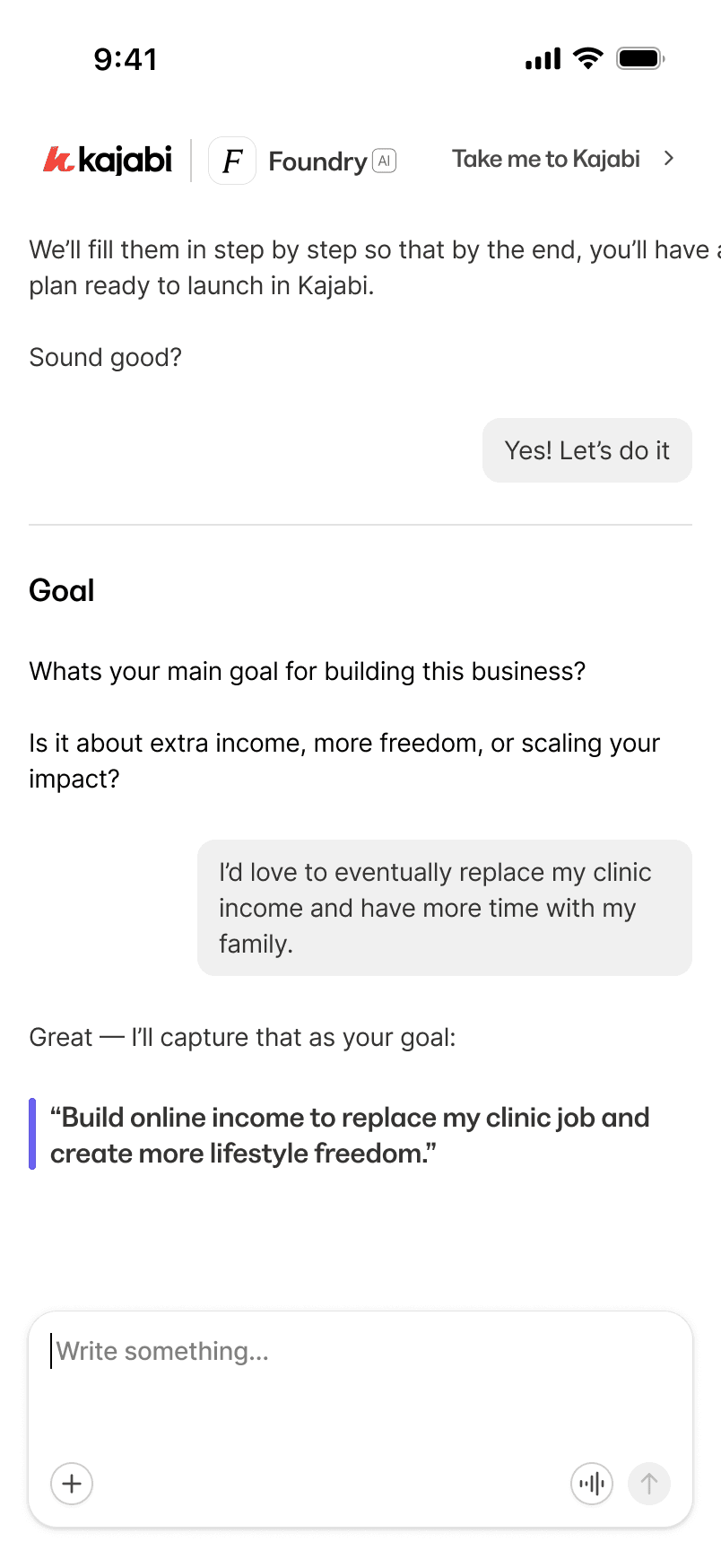
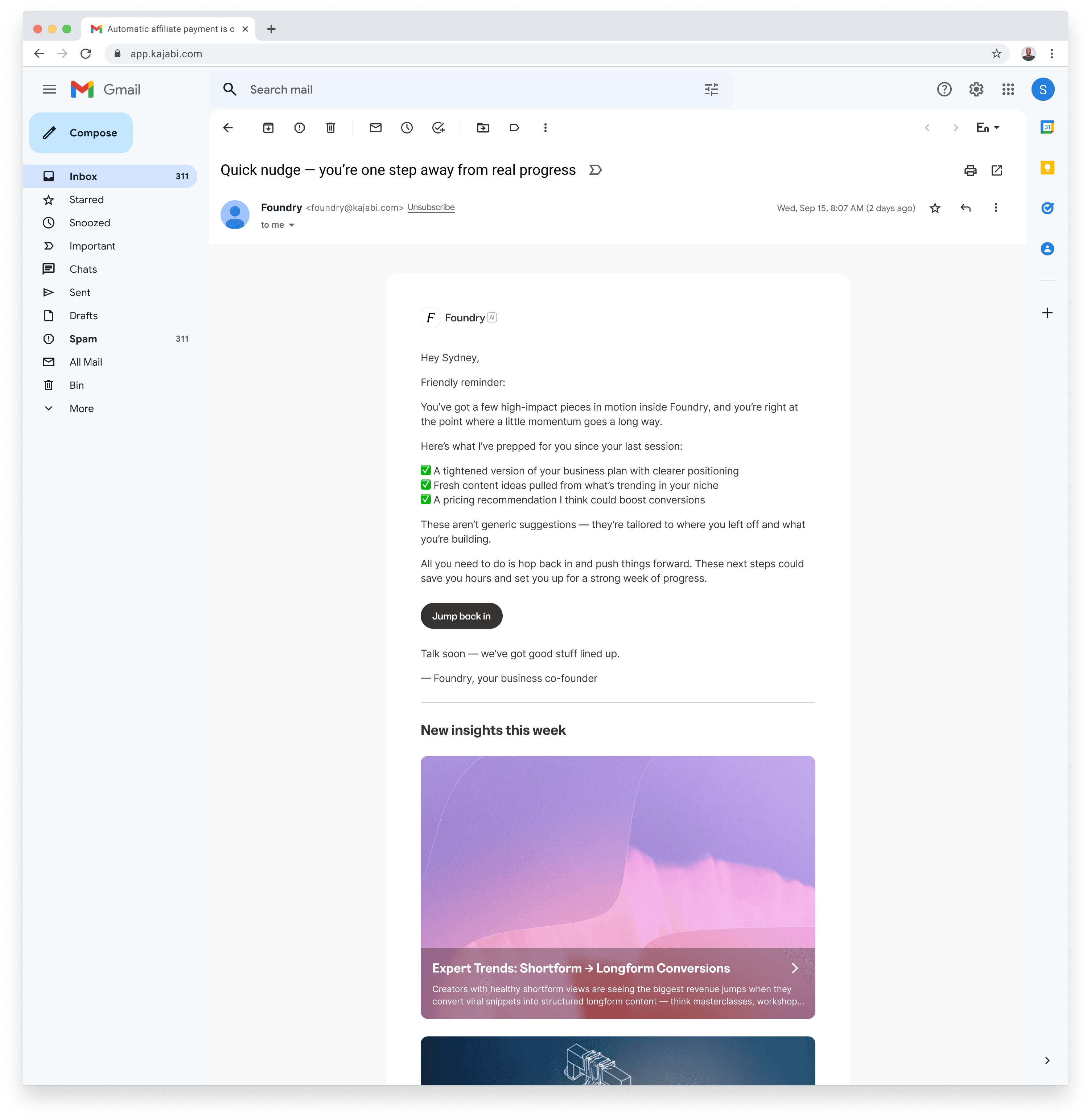
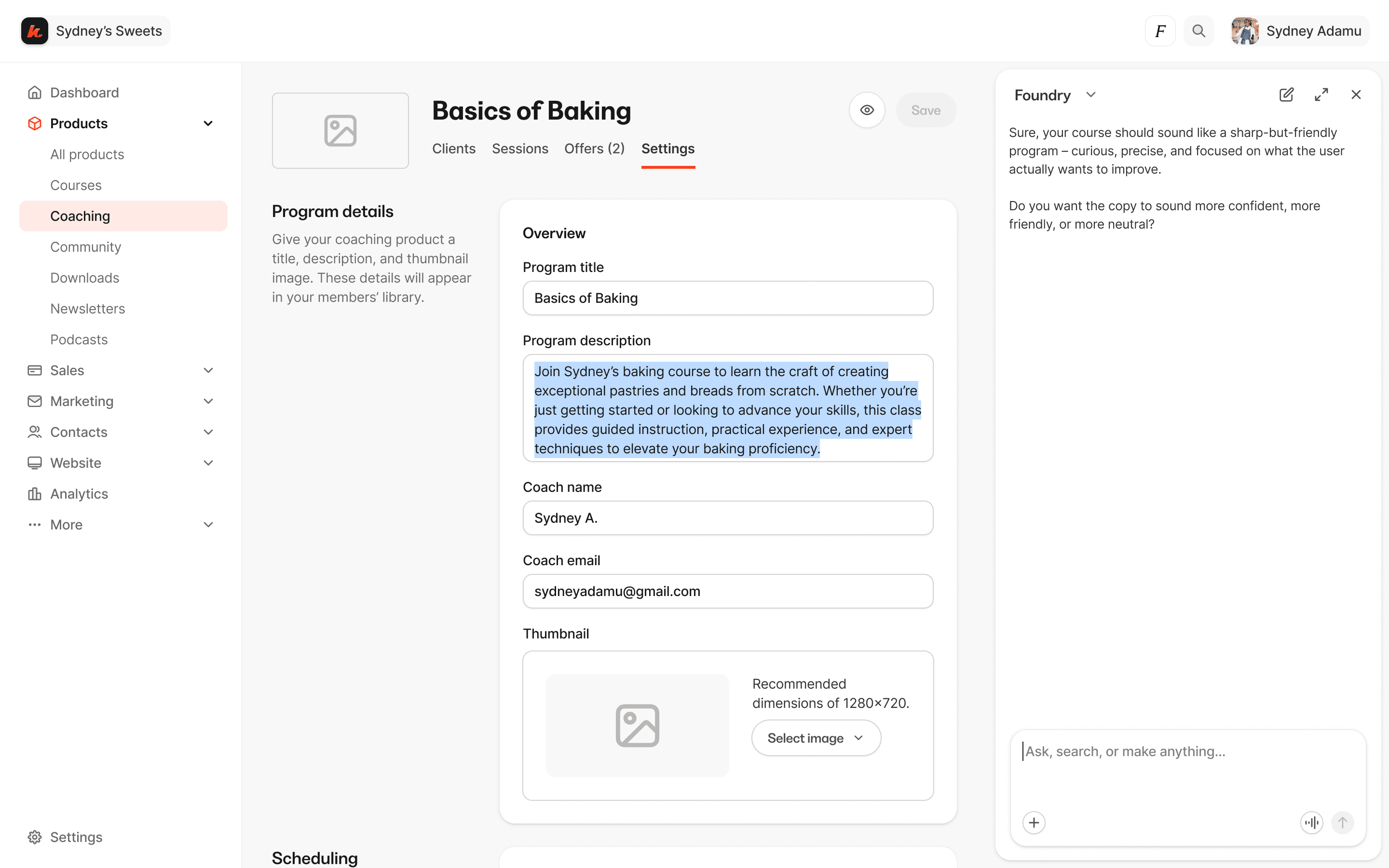
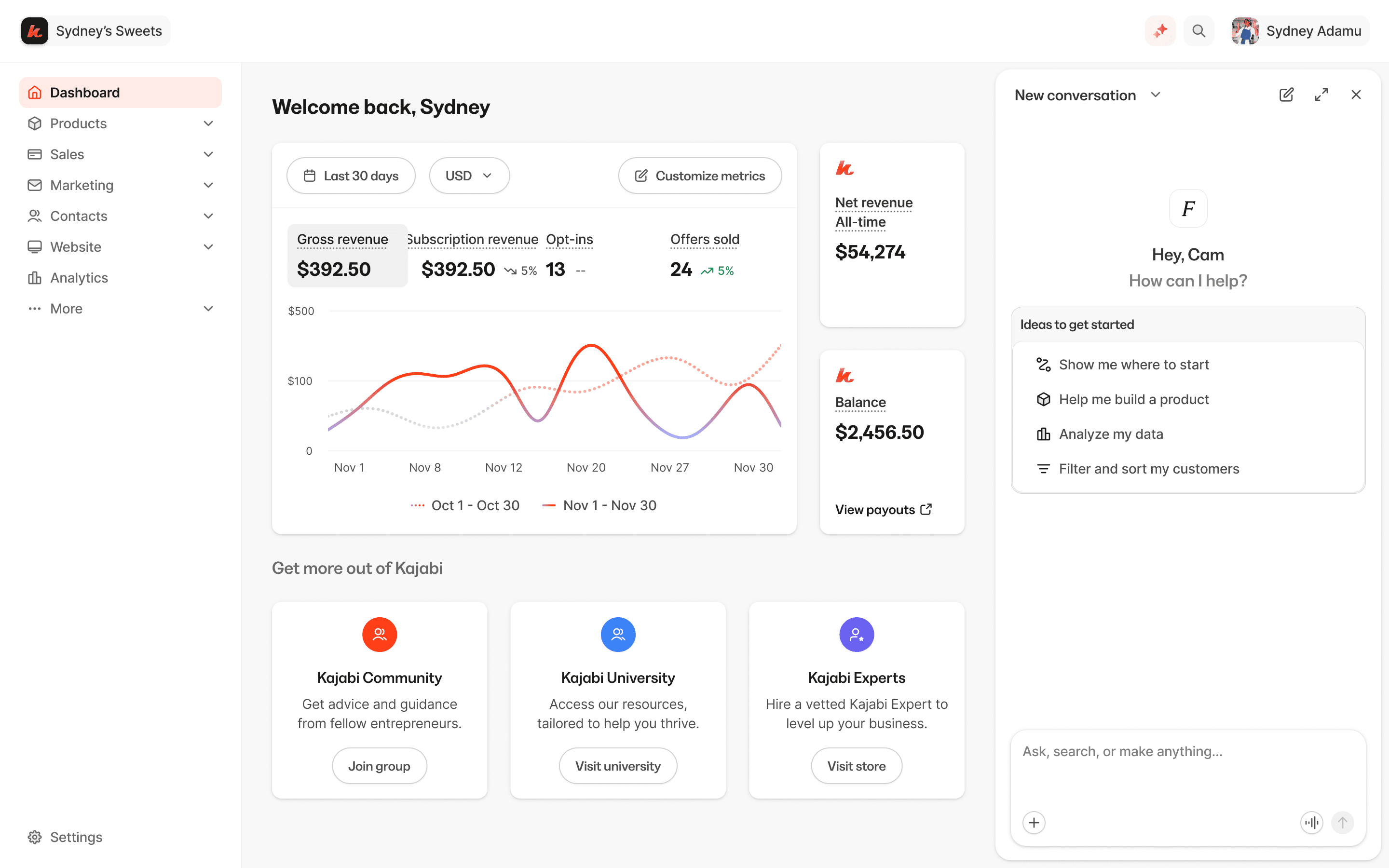
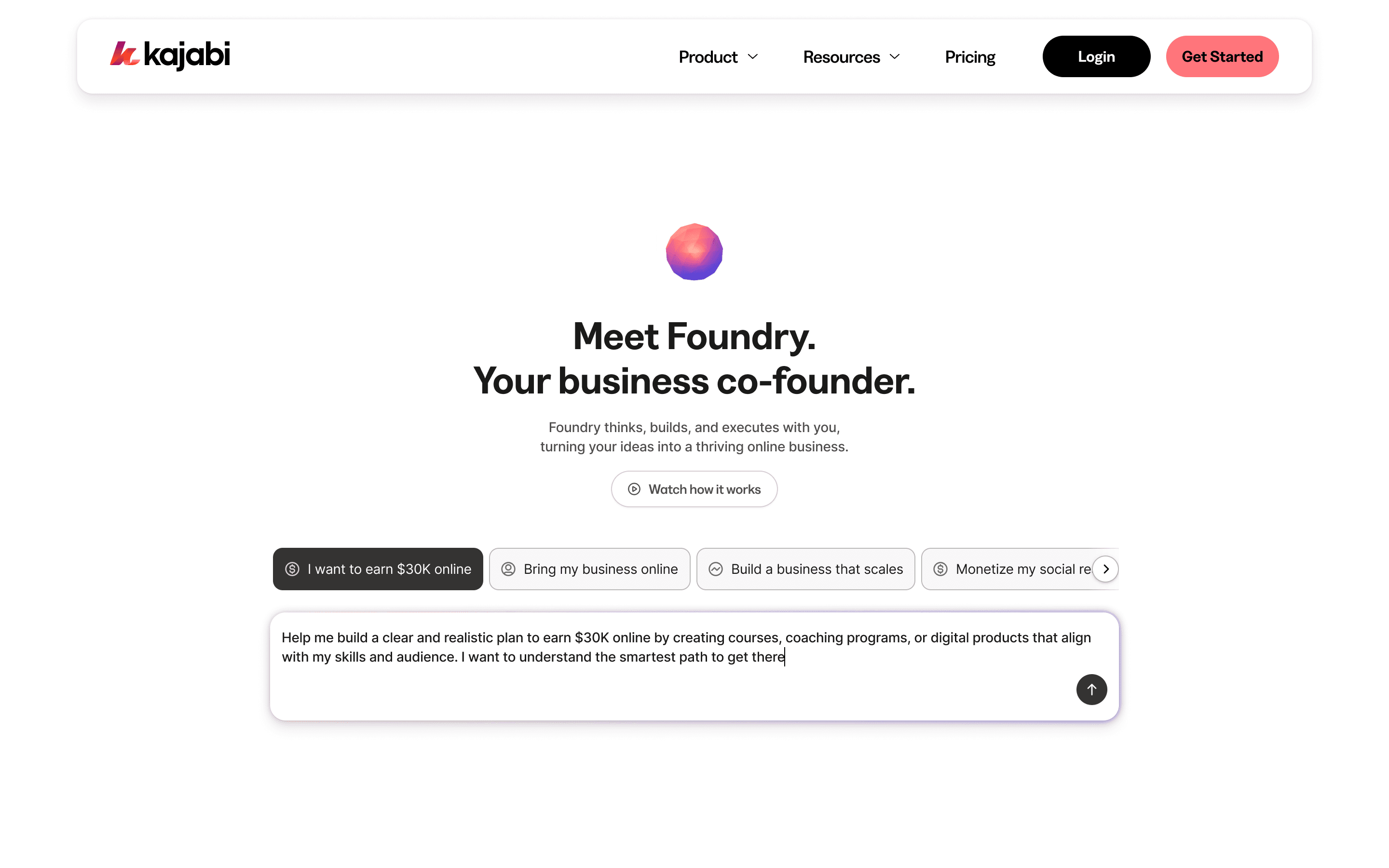
Foundry AI is Kajabi’s first agentic co-founder for creators — a conversational system that guides new users from vague ambition to a ready-to-sell product, offer, or landing page in a single guided flow.
Overview
Foundry was a complex, multi-layered design challenge: creating Kajabi’s first agentic workflow system that could translate ambiguous creator intent into structured, shippable outputs. I defined the interaction model, conversation architecture, and UI framework that allowed Foundry to behave more like a strategic partner than a chatbot. My work spanned mapping nonlinear journeys, designing guardrails for unsupported intents, building patterns for AI-driven tool actions, and shaping the behavioral tone that keeps the assistant both capable and safe. This required balancing open-ended reasoning with product constraints—ultimately giving the platform a scalable foundation for future agentic features.
Key outcomes
Defined the system and interaction model for Kajabi’s first agentic AI, enabling structured workflows from open-ended creator intent.
Created scalable UI patterns and guardrails that support safe, predictable AI-driven actions across the platform.
Reduced early creator friction by guiding users from ideation to tangible outputs without complex navigation.
Established behavioral patterns that improved trust and reduced conversational dead-ends.
Increased first-session activation, with early users 2–3× more likely to complete setup when using Foundry.

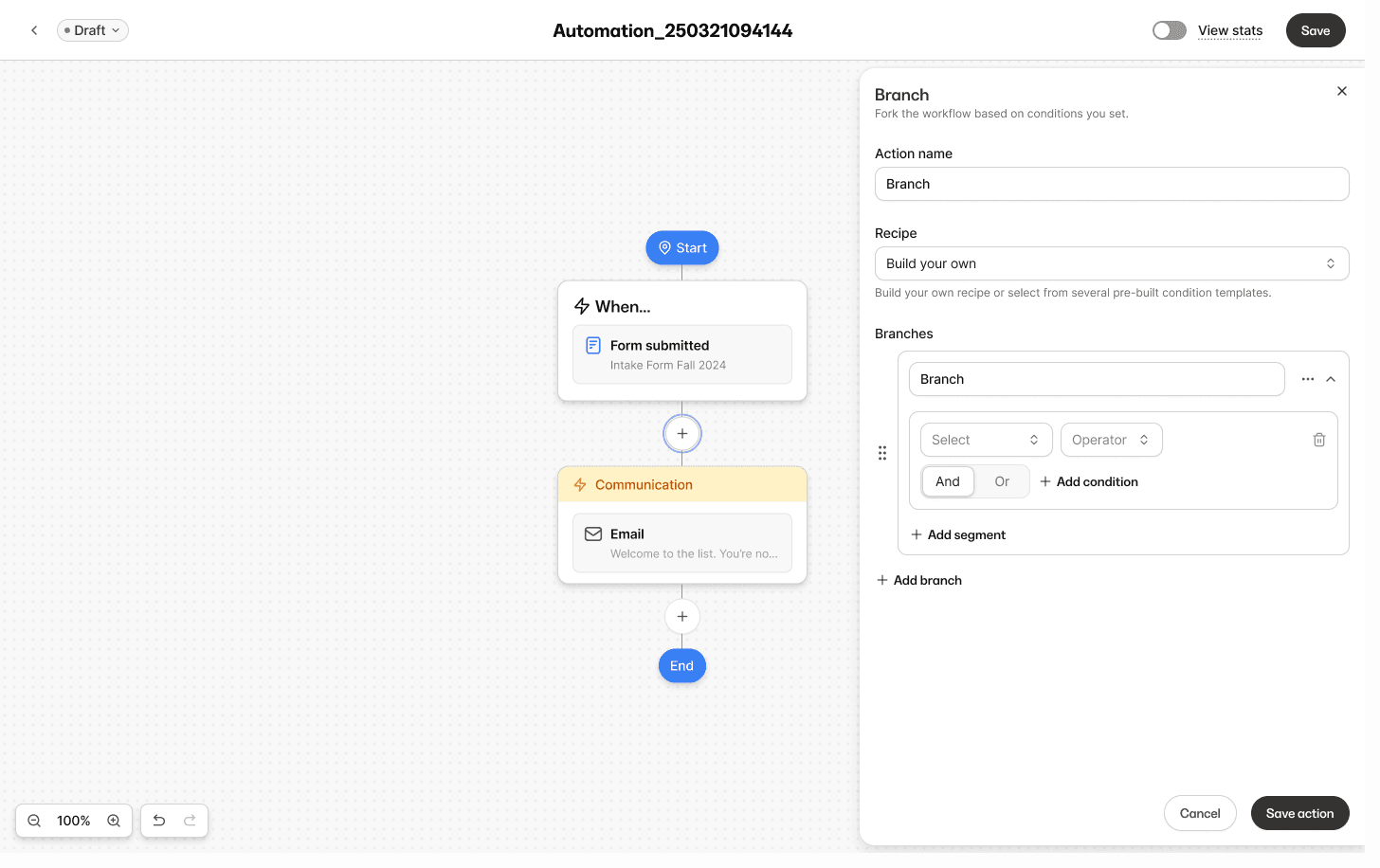
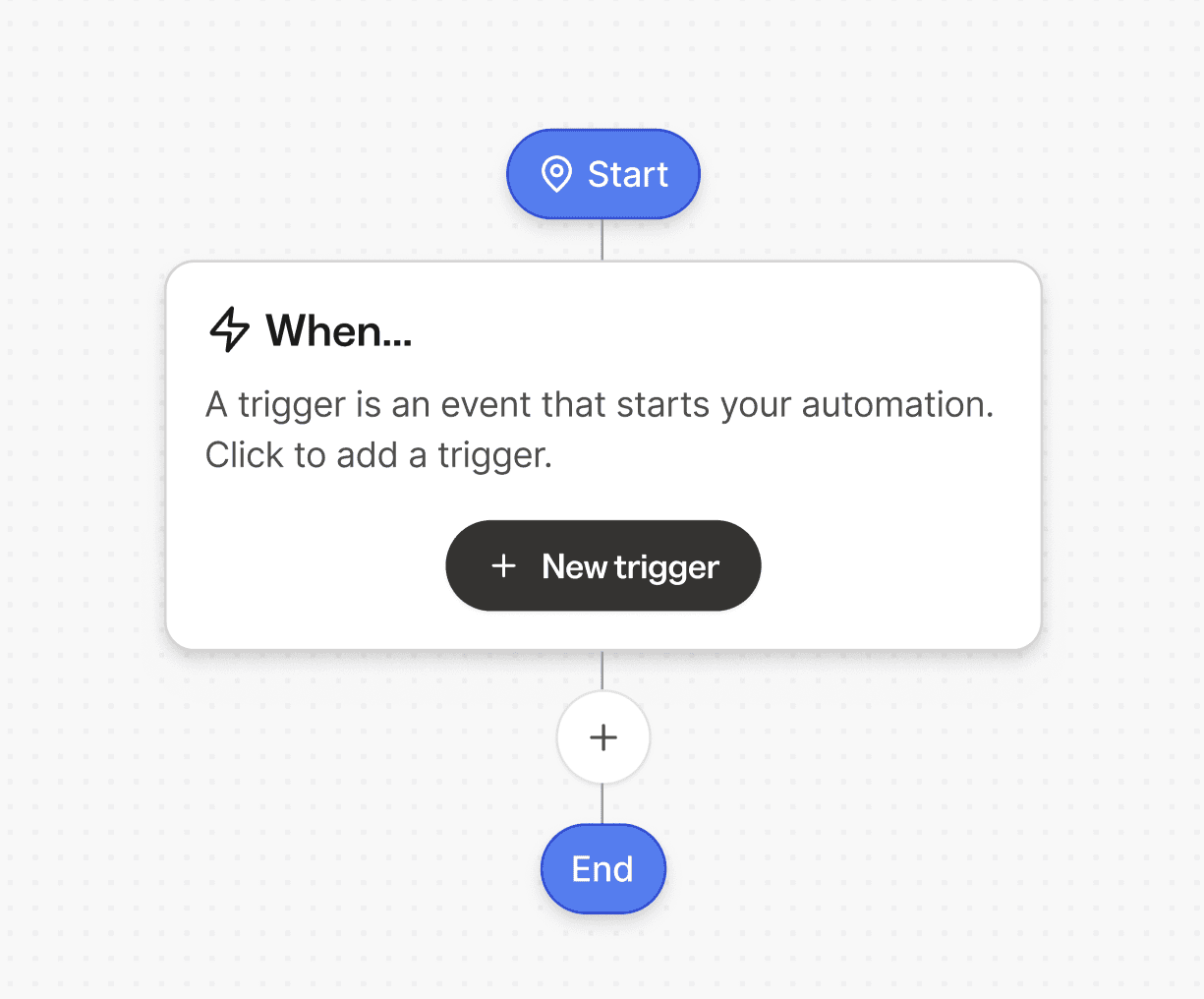
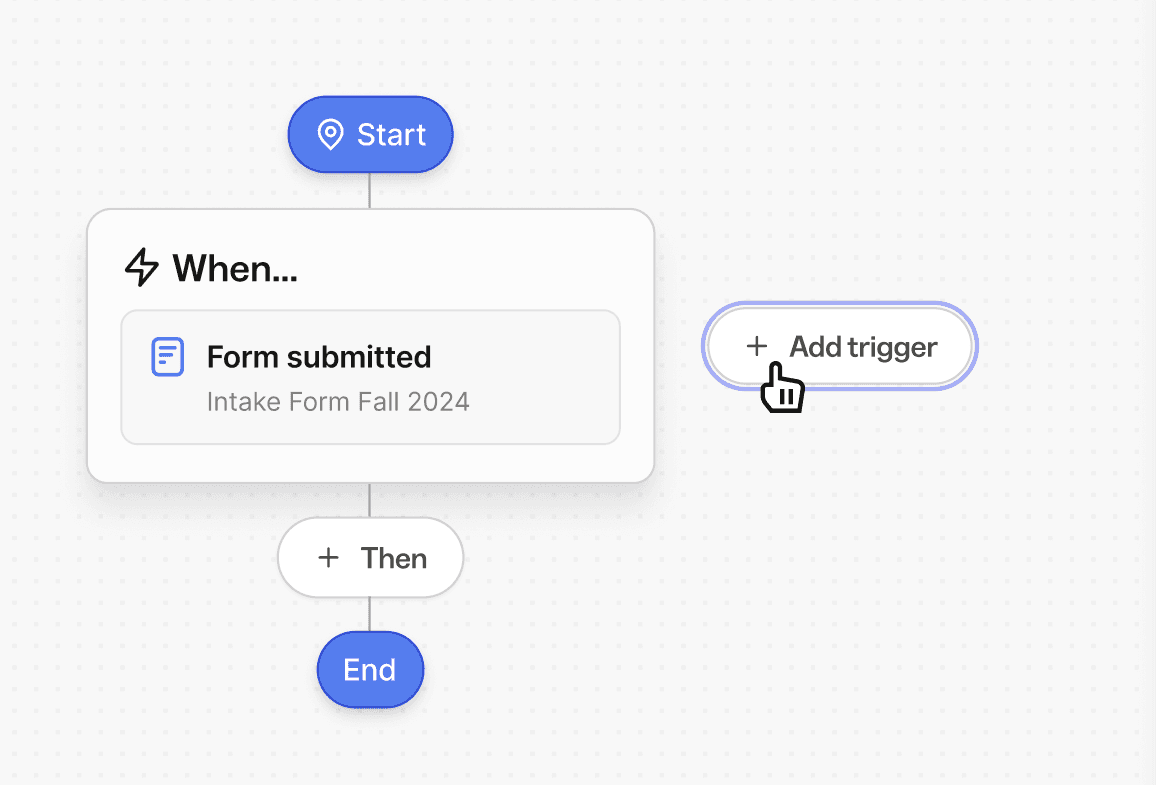
Automations 2.0
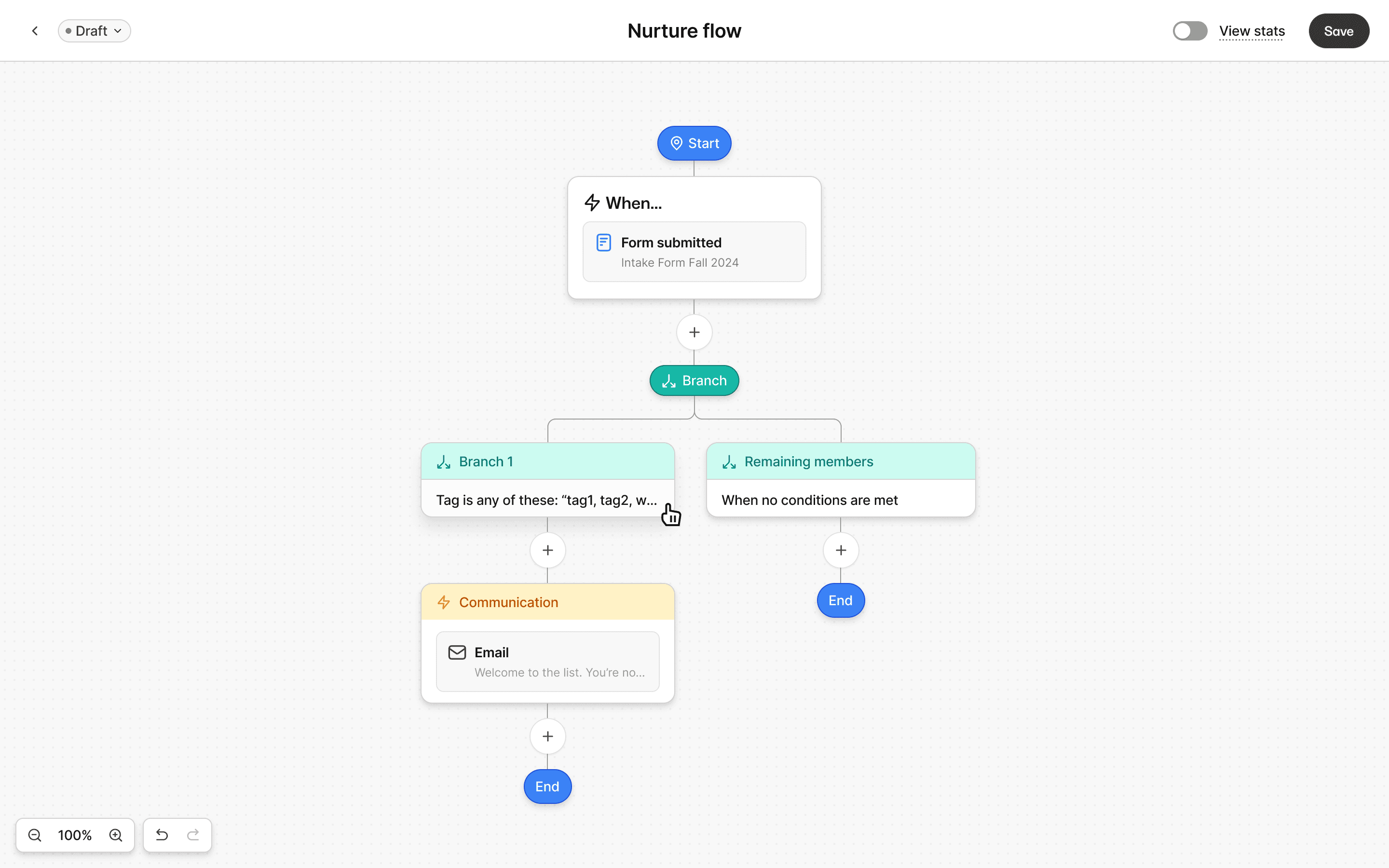
Automations 2.0 brings a fully visual workflow builder to Kajabi—an infinite-canvas system that lets creators automate sophisticated customer journeys with multiple triggers, branching logic, and stacked actions, all in a clear, intuitive flow.
Overview
Automations 2.0 required rethinking a legacy system built around strict one-to-one logic and transforming it into an extensible, visual automation engine. I led the design across system architecture, node behaviors, canvas interactions, multi-trigger logic, stacked actions, and error-recovery patterns to ensure the experience could support both simple and highly complex workflows. This included defining a new interaction language for automation nodes, establishing a consistent information hierarchy, and designing performance visibility within the canvas. The work brought coherence to a previously rigid system while enabling far more advanced automation strategies without overwhelming users.
Key outcomes
Redesigned Automations into a visual workflow engine supporting multi-trigger logic, branches, and stacked actions.
Clarified flow comprehension with predictable node behaviors and intuitive canvas interactions.
Added node-level insights that help creators diagnose performance and improve funnel outcomes.
Reduced configuration errors through safer defaults and clearer system feedback.
Increased depth and adoption of automations, with more users building multi-step workflows post-launch.

Unified Filter System
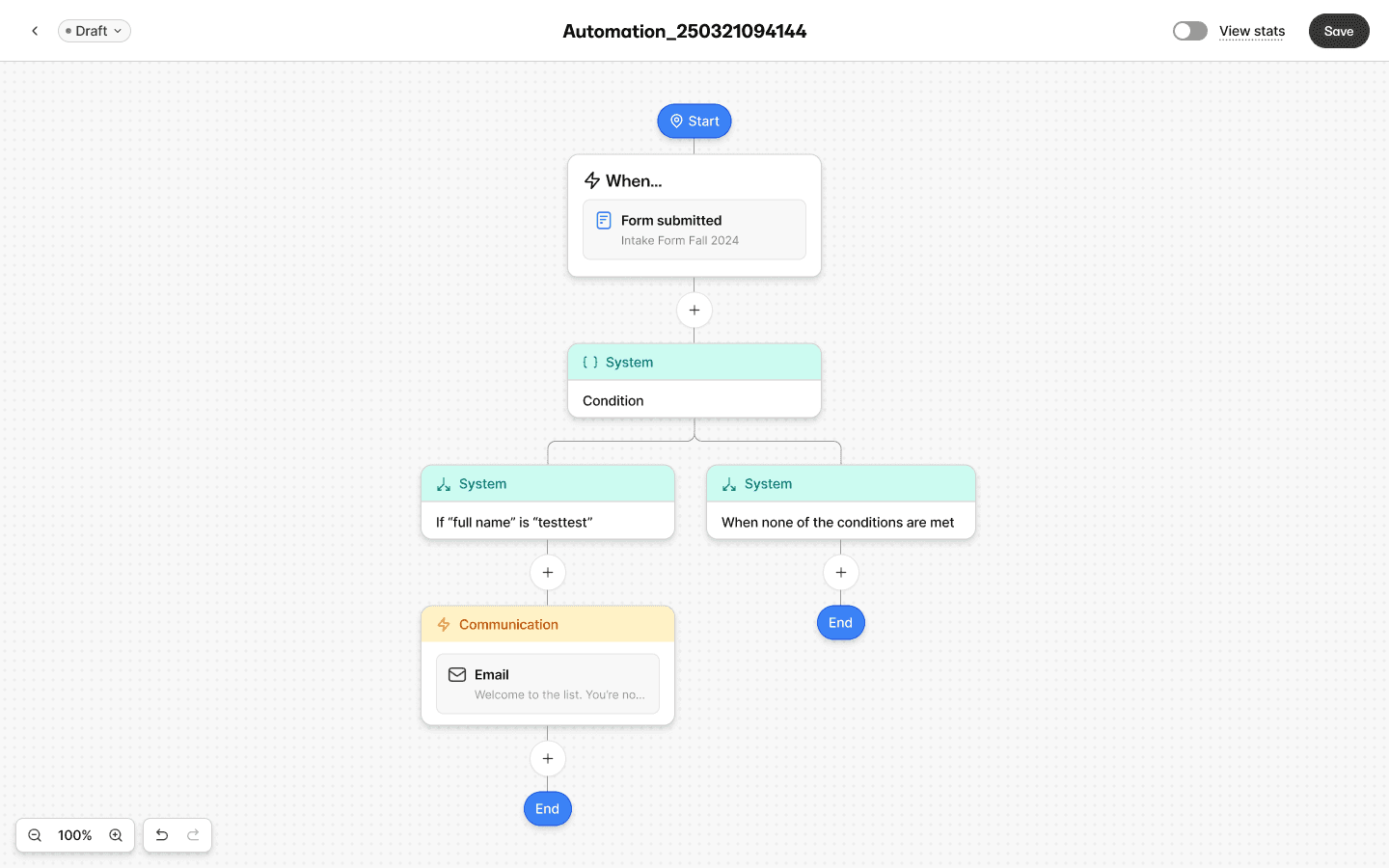
A unified filtering system built to support every resource and use case across Kajabi — a scalable pattern that brings clarity, consistency, and future AI-powered filtering to the entire product.
Overview
Kajabi’s filtering experiences had fragmented into dozens of one-off implementations, each with different rules, UI states, and interaction behaviors. I initiated and led a platform-wide redesign to consolidate these into a single, scalable filtering system capable of handling varied resource types, nested metadata, multi-select logic, and future AI-driven contextual filtering. My work included a comprehensive product audit, pattern definition, behavioral rules, semantic tokenization, and cross-surface specifications that allowed the component to work across tables, dashboards, side panels, and the visual automation canvas. The result was a flexible, consistent system that reduced cognitive load and became a foundational pattern for new product surfaces.
Key outcomes
Unified fragmented filtering into one extensible pattern used across tables, dashboards, and workflows.
Designed flexible logic to handle nested metadata, multi-select values, and varied resource types.
Reduced cognitive load through consistent rules, states, and visual structures.
Enabled natural-language filtering for future AI-driven use cases.
Improved filter accuracy and success rates across major product surfaces.



Universal Inbox
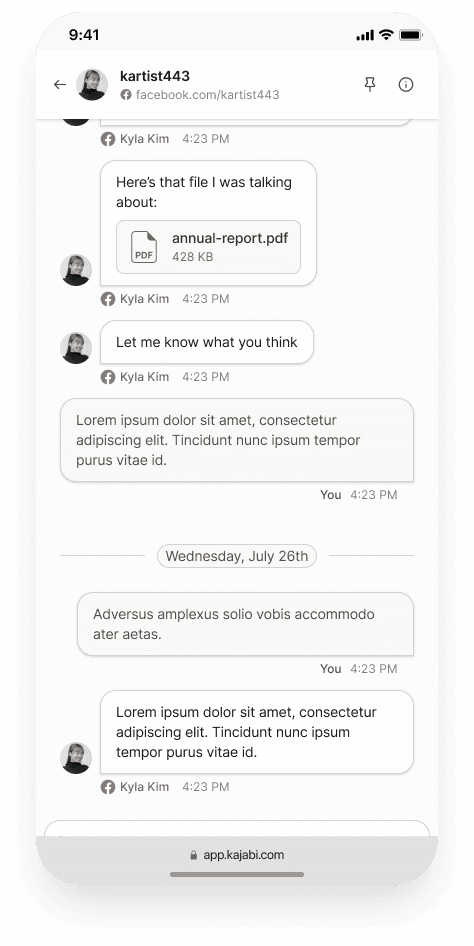
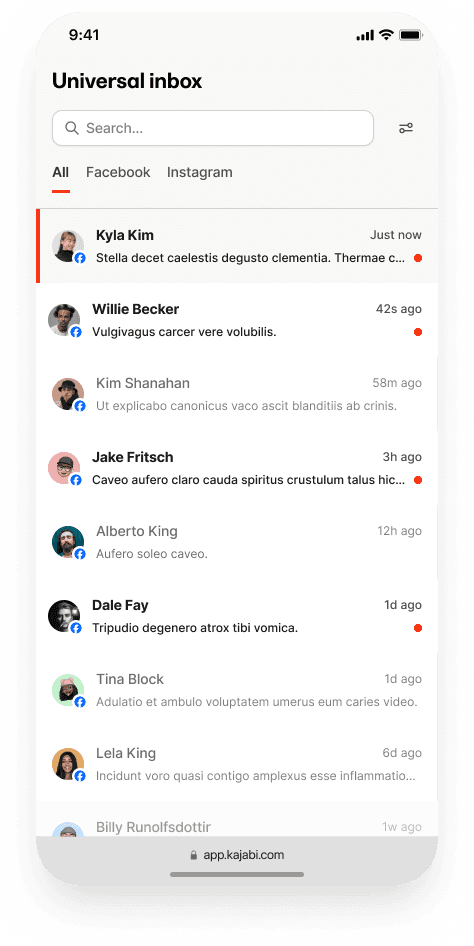
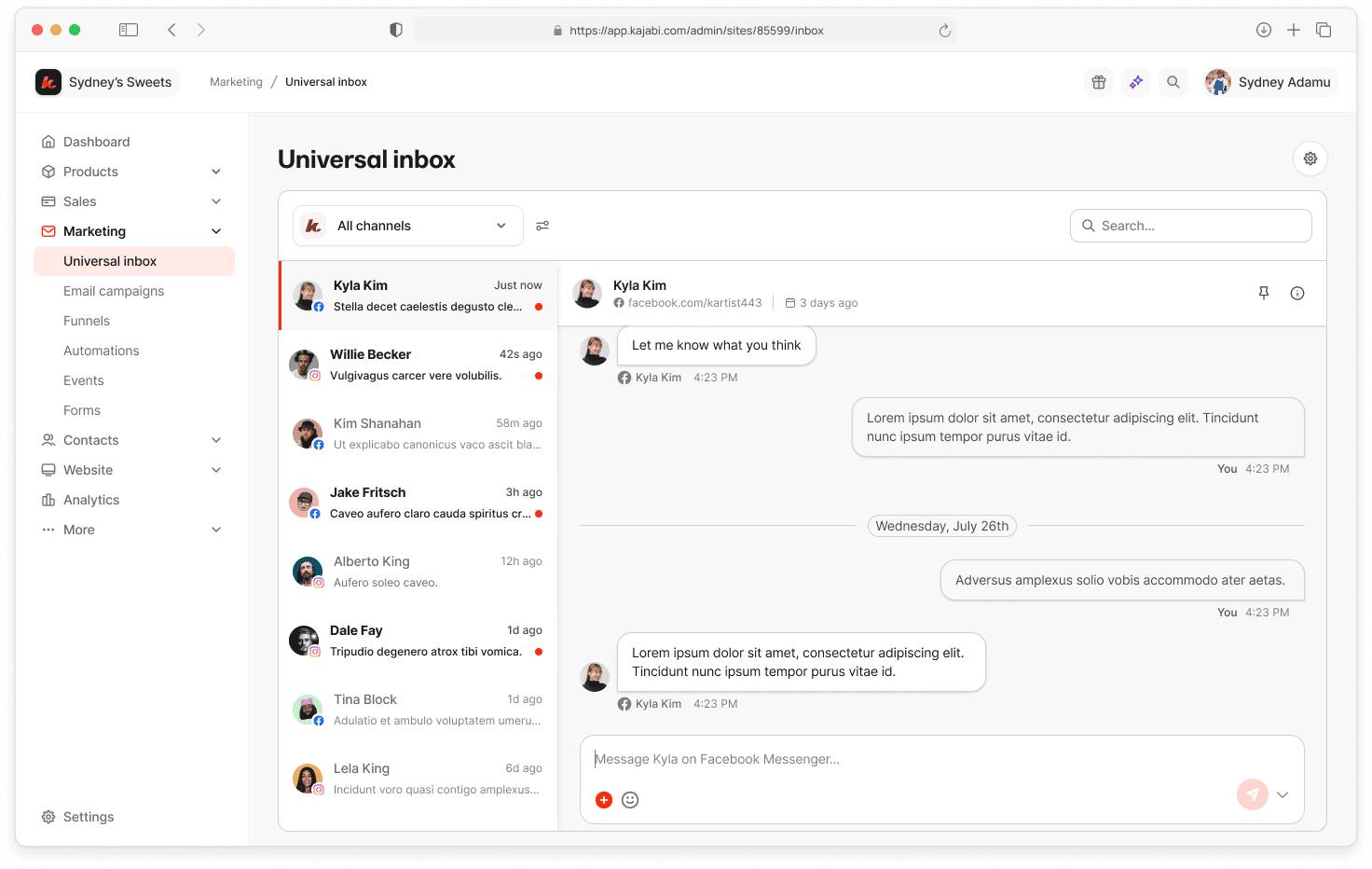
A unified communication hub that brings Instagram and Facebook DMs directly into Kajabi—giving creators one place to manage conversations, nurture leads, and act in real time.
Overview
Universal Inbox required designing a multi-channel messaging system that could normalize disparate behaviors across Instagram, Facebook Messenger, and future channels while preserving each platform’s unique constraints. I shaped the end-to-end experience—from channel authentication flows and inbox architecture to conversation threading, media handling, and the underlying contact model for users without emails. The complexity centered on building a unified mental model around messaging despite wildly different channel rules, reply windows, and data structures. My contribution established the interaction patterns, system logic, and UI frameworks that made a cross-channel inbox coherent, extensible, and ready for future AI-assisted engagement.
Key outcomes
Designed Kajabi’s first multi-channel messaging system, unifying Instagram and Facebook behaviors into one model.
Created the inbox architecture, conversation flows, and message-handling logic for scalable channel growth.
Introduced a flexible contact model for social-origin leads entering the CRM funnel.
Improved responsiveness and engagement by reducing tool-switching and consolidating communication.
Increased lead conversion opportunities, with early adopters reporting higher engagement from unified messaging.

Kajabi rebrand
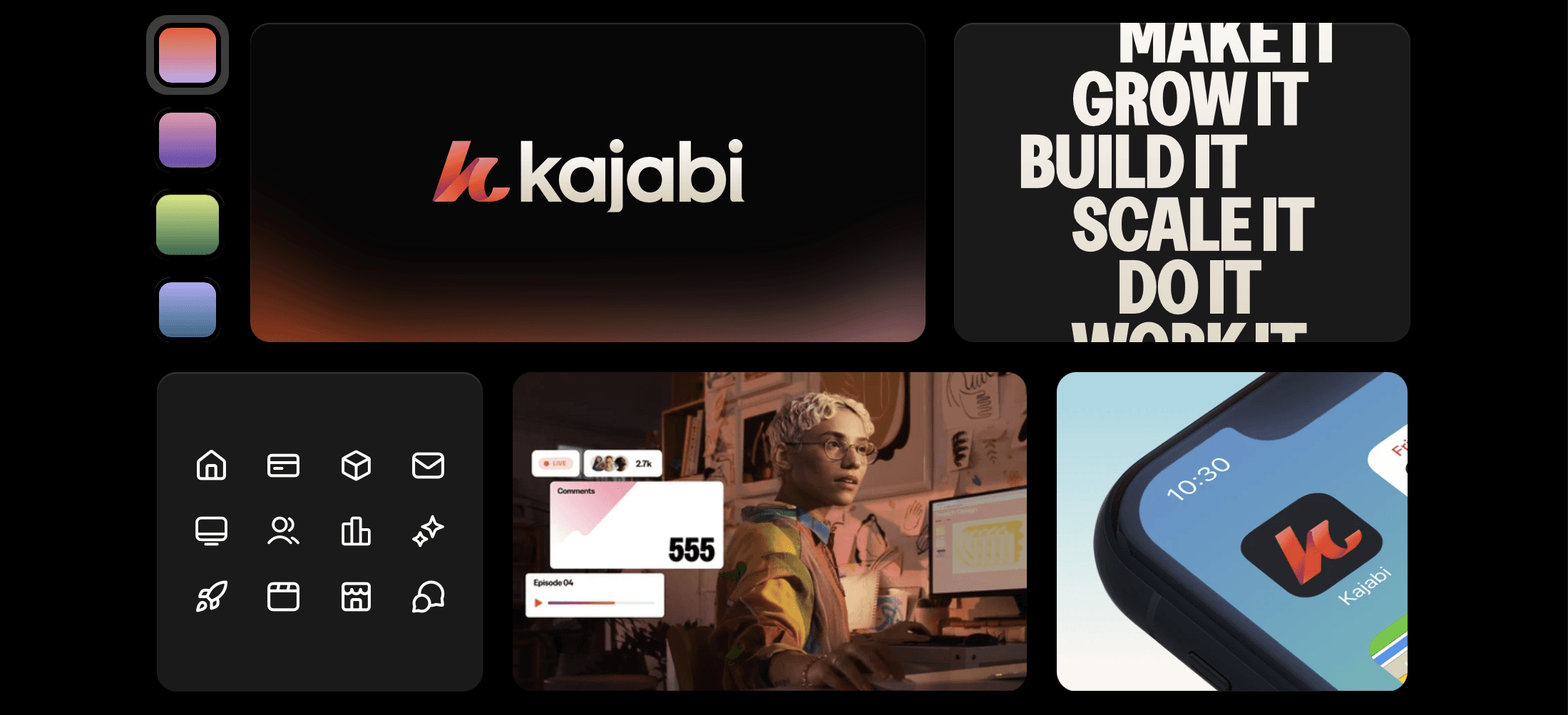
A complete rebrand of Kajabi—modernizing the visual identity, systemizing the design language, and aligning the brand with the evolving needs and ambitions of today’s creators.
Overview
As part of the two-designer team leading Kajabi’s rebrand, I reconstructed the product’s visual language by addressing systemic inconsistencies across typography, color, spacing, iconography, and interaction patterns. My work involved defining new foundational tokens, redesigning core components, establishing motion and surface principles, and ensuring the system scaled across marketing, product, and multiple builders. This required balancing brand expressiveness with rigorous interface constraints, aligning cross-functional teams, and creating a cohesive design system that future features—Foundry, Automations, Inbox, Builder—could inherit seamlessly. The result was a unified, modern identity robust enough to support rapid product evolution.
Key outcomes
Collaborated on the full rebrand system—color palette, typography, spacing scale, iconography, and core visual motifs—to bring a cohesive, modern aesthetic to both marketing and product.
Rebuilt foundational components (buttons, inputs, color tokens, shadows, surfaces, brand motion) to ensure consistency and accessibility across dozens of product teams.
Bridged the gap between growth teams and product design so that Kajabi’s new identity felt seamless across the website, onboarding, content creation tools, and dashboards.
Refined color contrast, typographic scales, and interaction states to meet AA accessibility guidelines without losing aesthetic refinement.
Delivered component specs, token definitions, usage rules, and visual references to ensure accurate adoption across web, mobile, and app environments.
EXPERIENCE
Throughout my career, I've worked on various projects, from building scalable systems to designing user-friendly interfaces. Here's a brief overview.





Testimonials






STACK
Writing
Personal
In my spare time, I enjoy listening to music and taking photos on my Sony A7III




CONTACT
Want to work together? You can contact me via the links below.